
Wheelchair or Walker? How to Choose the Right Mobility Aid in Kenya

Wheelchair or Walker? Expert Guide to Choosing the Right Mobility Aid in Kenya | Jomex International Ltd
Discover how to choose between a wheelchair and a walker based on comfort, mobility, and recovery needs. Learn from real-life examples and expert insights from Jomex International Ltd — Kenya’s trusted medical equipment supplier.
Introduction
Choosing the right mobility aid can make a world of difference in daily life, recovery, and independence. Whether you are caring for a loved one, recovering from an injury, or managing a long-term condition, understanding the differences between a wheelchair and a walker is essential.
At Jomex International Ltd, we specialise in quality medical and mobility equipment designed to support comfort, safety, and long-term use across Kenya. This guide explains the key differences, real-life benefits, and expert advice to help you make the right choice.
Understanding the Difference Between a Wheelchair and a Walker
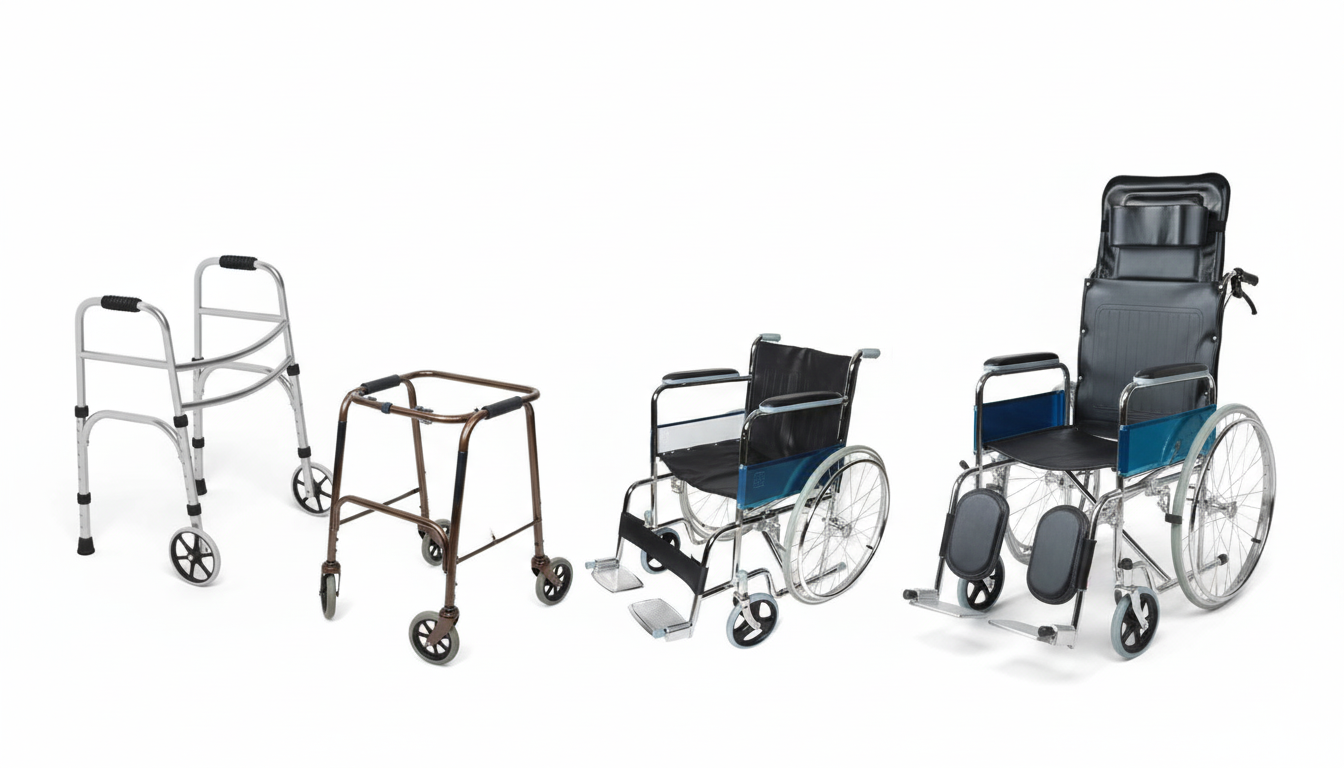
While both wheelchairs and walkers are designed to support mobility, they serve very different purposes.
-
Walkers provide balance and stability for individuals with weak legs or unsteady movement. They encourage physical activity, helping to maintain muscle strength and flexibility during recovery.
-
Wheelchairs, on the other hand, are ideal for users who cannot walk or need full-time support. They offer seated mobility, comfort, and independence, especially for those managing serious injuries or long-term conditions.
In short:
-
A walker supports walking and rehabilitation.
-
A wheelchair supports rest and mobility when walking is not possible.
You can explore both categories in our wheelchairs and walkers collection.
Real-Life Story: From Wheelchair to Walker
One Jomex customer was involved in a road accident and required a wheelchair with an adjustable leg rest. The injury made it impossible to stand or bear weight on one leg, so a wheelchair became essential for mobility and recovery.
After several months, the patient’s strength improved through therapy. They returned to Jomex to purchase a walker, which supported light walking exercises and helped rebuild confidence. The combination of a wheelchair for long distances and a walker for short movements created a balanced recovery plan.
This story reflects how selecting the right mobility aid at each stage of recovery can directly improve comfort, independence, and progress.
Choosing the Right Wheelchair
Selecting the correct wheelchair requires understanding the user’s needs, comfort preferences, and level of mobility. Many customers make the mistake of focusing only on price, but factors like comfort, function, and caregiver support are equally important.
Types of Wheelchairs Available at Jomex:
-
Manual Wheelchairs – Operated by the user or a caregiver. Ideal for indoor and short-distance use.
-
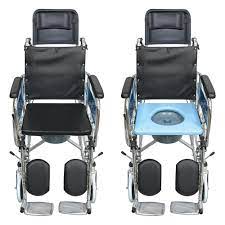
Commode Wheelchairs – Combine mobility and hygiene convenience for users who need bedside toileting support.
-
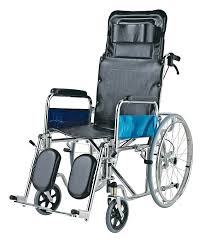
Reclining Wheelchairs – Allow adjustable backrest angles for comfort and posture management.
-
Foldable Wheelchairs – Compact and portable, suitable for travel or limited spaces.
-
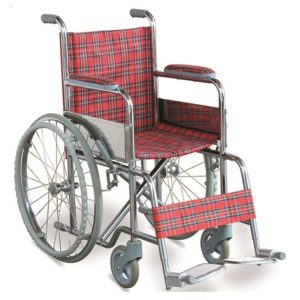
Pediatric Wheelchairs – Designed for children, offering adjustable features for growth.
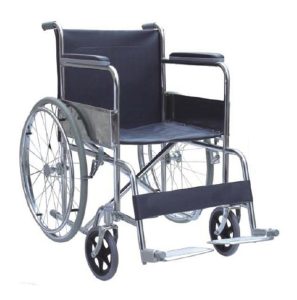
Key Features to Consider:
-
Adjustable leg and arm rests for comfort and easy transfers.
-
Durable frame for long-term use.
-
Compatibility with medical cushions or accessories.
-
Whether the user will self-propel or need caregiver assistance.
A caregiver’s input can also be valuable when selecting a wheelchair. Caregivers often understand the patient’s daily needs and can recommend practical features that improve convenience and safety.
Choosing the Right Walker
Walkers are an excellent choice for individuals who can stand or walk with some assistance. They provide stability and promote mobility training during recovery.
Common Walker Types:
-
Standard Walker – For maximum support; best for short distances.
-
Rollator Walker (with wheels) – Includes wheels, brakes, and sometimes a seat, ideal for users who need both mobility and rest.
-
Foldable Walker – Compact and portable for storage or travel.
-
Walker with Seat or Basket – Offers added comfort and convenience for carrying small items.
When to Choose a Walker:
-
When the user is regaining balance after injury or surgery.
-
When moderate strength and mobility exist, but stability is still needed.
-
As part of physical therapy or rehabilitation.
A walker encourages movement, helping users maintain leg strength and prevent stiffness. It also allows a gradual transition from full dependency (wheelchair use) to independent walking.
Combining Both: The Transition from Recovery to Independence
Many users benefit from using both a wheelchair and a walker during recovery.
For example:
-
A wheelchair may be used for long distances or outdoor movement.
-
A walker may be used indoors or during therapy sessions.
This combination supports both comfort and progress — allowing patients to rest when needed while continuing to build strength safely.
Expert Tips from Jomex International Ltd
When choosing a mobility aid, Jomex International Ltd recommends considering the following:
-
User Needs First: Evaluate whether the patient requires sitting mobility or support while standing.
-
Environment: Consider whether the equipment will be used primarily indoors, outdoors, or for travel.
-
Comfort and Adjustability: Features like reclining backrests, adjustable leg rests, and foldability improve long-term satisfaction.
-
Caregiver Input: Discuss with caregivers to ensure the design suits both the patient’s and the caregiver’s needs.
-
After-Sales Support: Choose a trusted supplier who provides installation, guidance, and servicing — services available at Jomex International Ltd.
Where to Find Quality Wheelchairs and Walkers in Kenya
Jomex International Ltd supplies a wide range of wheelchairs, walkers, and rehabilitation equipment in Nairobi and across Kenya.
Products include:
-
Manual and electric wheelchairs
-
Commode and reclining wheelchairs
-
Walkers, rollators, and walking frames
-
Pediatric mobility aids
Customers can visit Junction Trade Center, 5th Floor, Room 503, or contact Jomex for delivery and installation services.
Frequently Asked Questions (FAQ)
1. What’s the best wheelchair for home use in Kenya?
A foldable or manual wheelchair with adjustable armrests is ideal for home use. It’s portable, easy to store, and convenient for caregivers.
2. Can I use both a walker and a wheelchair during recovery?
Yes. Many patients use a wheelchair for long distances and a walker for therapy or short walks. This approach balances safety with gradual rehabilitation.
3. How much does a wheelchair cost in Kenya?
Prices vary depending on features and materials. Basic manual wheelchairs are more affordable, while electric or commode wheelchairs cost more. Jomex International offers a range of options for every budget.
4. Do you offer delivery or installation?
Yes. Jomex International Ltd provides nationwide delivery, assembly, and demonstration services to ensure safe and proper use.
5. What’s the difference between a walker and crutches?
Crutches require upper body strength and are ideal for short-term use. Walkers provide more stability and are better for long-term rehabilitation or balance issues.
Conclusion
Choosing the right mobility aid is not just about movement — it’s about independence, comfort, and dignity. Whether it’s a wheelchair, walker, or a combination of both, selecting the correct equipment can greatly improve quality of life.
Jomex International Ltd remains a trusted provider of durable, comfortable, and affordable mobility solutions in Kenya — ensuring every user regains confidence and mobility safely