
Do I Get a Walking Frame, a Walking Stick, or Crutches? Finding the Right Mobility Aid for You

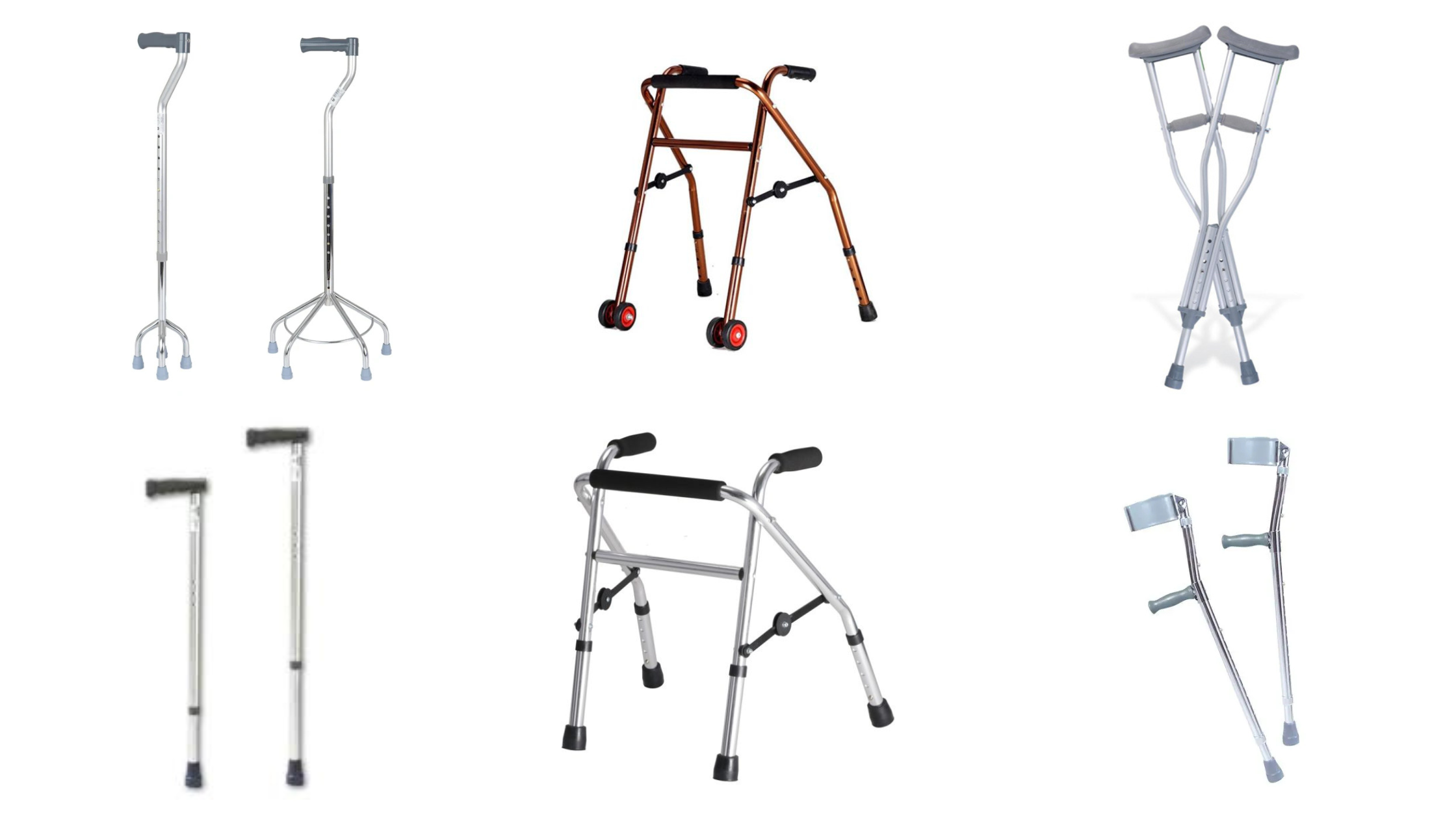
Choosing the right mobility aid can be a life-changing decision — not just for recovery, but for independence and safety. Whether it’s due to an accident, old age, or rehabilitation after surgery, mobility support helps people regain confidence and maintain dignity in their daily lives.
At Jomex International LTD, we often meet people unsure where to start: “Should I get a walking frame, a walking stick, or crutches?”
The answer depends on your strength, balance, and recovery goals. Let’s walk through how to choose what’s right for you.
Understanding the Three Main Types
Walking Frames (Zimmer Frames)
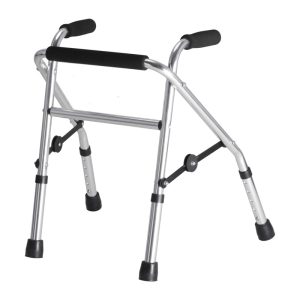
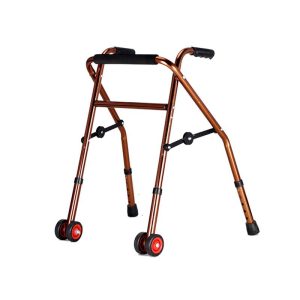
Walking frames are designed for maximum stability. They are ideal for people with poor balance, recovering from leg injuries, or those who feel unsteady on their feet. Some are foldable for portability, and others come with wheels (called rollators) that allow smoother movement and some even include seats for resting.
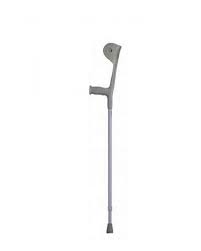
Crutches
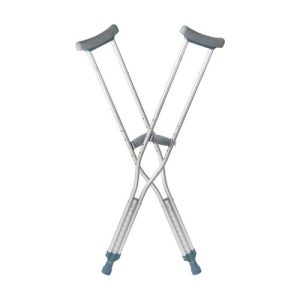
Crutches are meant to support one leg, allowing users to stay mobile while avoiding pressure on an injured limb. They’re common after fractures, surgeries, or lower-limb injuries. Lightweight aluminium crutches are now popular for comfort and ease of use.
Walking Sticks (Canes).
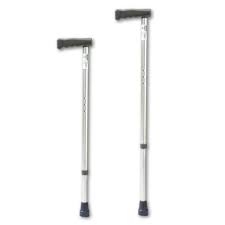
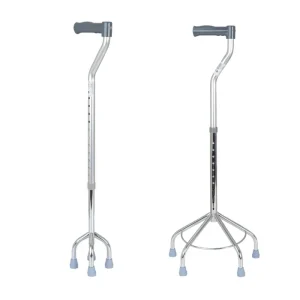
Walking sticks are best for people who need minimal support or just a little extra balance. They’re often used during later stages of recovery or for mild stability concerns, especially among the elderly.
Real-Life Examples: When Each One Works Best
A good example comes from a customer who came to Jomex International after a car accident. He needed crutches because one leg had a fracture, and he couldn’t bear weight. The crutches allowed him to move around and stay active while still protecting his leg.
Months later, as he regained strength, he returned for a walking stick to support balance during recovery. Eventually, he was able to walk unassisted — a gradual journey made smoother by using the right aid at each stage.
Another case involved an elderly gentleman whose family first bought a walking stick for him. Unfortunately, it didn’t provide enough stability, and he experienced several falls. After consultation, they switched to a rollator (a wheeled walking frame). It offered better balance, a seat for resting, and more confidence when walking. His independence and mood improved significantly.
How to Choose: Strength, Balance, and Need
When choosing a walking aid, always start by assessing the user’s strength, balance, and pain level. Here’s a simple rule of thumb:
- Walking Frame / Rollator: Best for people with poor balance, low strength, or elderly users needing maximum stability.
- Crutches: For people recovering from an injury or surgery who must avoid putting weight on one leg.
- Walking Stick: For people with mild balance issues or those transitioning toward walking unaided.
As a general guide, most people start with the most stable aid — like a walking frame — and move gradually to crutches or sticks as their strength and balance improve.
It’s also important to consult a doctor or physiotherapist before purchasing. Medical professionals can recommend the right aid based on mobility tests and recovery goals.
Common Mistakes When Buying Mobility Aids
From experience at Jomex International LTD, one of the biggest mistakes customers make is choosing based solely on price rather than need.
For example:
- Buying a basic walking stick for someone with major stability issues can lead to accidents or falls.
- Choosing crutches when a frame is needed can strain the shoulders or arms unnecessarily.
- Ignoring comfort features like adjustable height, padded handles, or lightweight materials can make daily use painful or frustrating.
Another common challenge is not being able to test the aid before buying. Whenever possible, visit a trusted supplier where you can check the stability, weight, and comfort of each option.
What to Look For in a Quality Mobility Aid
A reliable walking aid should be:
- Lightweight but sturdy — often aluminium or chrome steel for durability.
- Adjustable in height to match the user’s comfort and posture.
- Non-slip and ergonomic, with rubber tips or hand grips to prevent slipping.
- Easy to transport, especially if foldable or collapsible.
Modern rollators often come with built-in seats, baskets, and brakes, making them ideal for outdoor use or longer walks.
Market Trends and Preferences
Today, many customers prefer foldable walking frames for convenience — they fit easily into car boots and small spaces.
Lightweight aluminium crutches are also in demand because they reduce fatigue and are easier to manoeuvre.
The most common reasons people seek these aids are injuries, old age, and post-surgery recovery. Increasingly, people are also becoming more open to using walking aids early, as part of active rehabilitation rather than a sign of disability.
The Human Side of Mobility
The right walking aid does more than assist movement — it restores dignity.
One of the most rewarding moments for the Jomex team is seeing patients return months later to show their progress. Some even come back walking on their own — grateful that the right support gave them the confidence to heal and move independently again.
Family members, too, find peace of mind knowing their loved one can move safely without constant assistance. It’s not just a medical decision — it’s about freedom, safety, and self-respect.
Frequently Asked Questions (FAQ)
- Can I use crutches if both my legs are weak?
No. Crutches are best for supporting one leg. If both legs are weak, a walking frame or rollator offers more stability. - What’s the difference between a walking frame and a rollator?
A walking frame has no wheels and must be lifted with each step. A rollator has wheels and can be pushed smoothly — it’s more suitable for people with moderate balance but limited strength. Some walking frames have 2 front wheels so you can drag while using instead of lifting the whole device up - How do I know what height my walking aid should be?
The handle should align with your wrist when your arms are at your sides. Adjustable aids make this easy to fine-tune. - Can I buy mobility aids online?
Yes, but it’s best to visit a reputable supplier to test the product or consult a physiotherapist first.
Final Thoughts
Choosing between a walking frame, walking stick, or crutches is about matching the tool to the person — their strength, stability, and stage of recovery.
A thoughtful choice not only prevents accidents but can also restore independence, confidence, and dignity.
At Jomex International LTD, we’ve seen how the right walking aid can truly change lives — helping people stand tall, move safely, and recover faster.