
Manual Vacuum Aspiration (MVA): A Guide for Safe Uterine Evacuation in Kenya

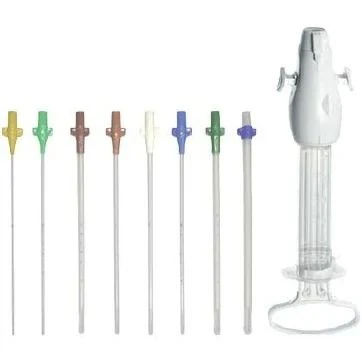
Manual Vacuum Aspiration (MVA) is a widely used, evidence-based medical procedure for uterine evacuation in early pregnancy care. It is recognised globally by healthcare authorities and is commonly used in hospitals, clinics, and reproductive health facilities across Kenya as part of gynaecological services.
This article provides an educational overview of what MVA is, how it works, when it is used, and why proper equipment is essential, especially in low-resource and outpatient settings.
What Is Manual Vacuum Aspiration (MVA)?
Manual Vacuum Aspiration is a non-electric method of uterine evacuation that uses a hand-held syringe to create controlled suction. The suction gently removes uterine contents during specific medical procedures, particularly in early pregnancy.
Unlike electric vacuum aspiration, MVA:
- Does not require electricity
- It is portable and cost-effective
- Can be safely performed in primary healthcare settings
Because of these advantages, MVA is commonly used in county hospitals, private clinics, NGOs, and outreach programs in Kenya.
Common Medical Uses of MVA
In clinical practice, Manual Vacuum Aspiration may be used for:
- Management of retained products of conception
- Emergency gynaecological care where electric suction is unavailable
- Early uterine evacuation as permitted under medical guidelines
- Management of incomplete abortion
- Treatment of missed abortion
- Post-abortion care (PAC)
These uses align with internationally recognised clinical guidelines and are part of standard reproductive healthcare services.
Components of an MVA Kit
A complete MVA kit typically includes two main components:
-
MVA Syringe
The syringe is designed to generate high vacuum suction manually. It is usually:
- Made from medical-grade polypropylene
- Designed with single-valve or double-valve mechanisms
- Able to maintain consistent suction throughout the procedure
Double-valve syringes are often preferred in busy clinical settings due to improved vacuum retention.
-
Karman Cannula
Karman cannulas are flexible tubes inserted into the uterus and connected to the syringe. Key features include:
- Rounded, smooth tip to reduce cervical and uterine trauma
- Smooth side openings (eyes) near the tip
- Universal connector compatible with standard MVA syringes
- Availability in multiple sizes (typically 4mm–12mm) to suit different clinical needs
Importance of Sterility and Infection Prevention
Infection prevention is a critical aspect of MVA procedures. Best practices include:
- Use of sterile, single-use or properly sterilised equipment
- Individually packed components in peelable sterile pouches
- Proper disposal of medical waste after the procedure
- Adherence to national and facility-level infection control protocols
These measures are particularly important in high-volume facilities and outreach programs.
Why MVA Is Important in the Kenyan Healthcare Context
Kenya’s healthcare system includes a mix of urban hospitals and rural or semi-urban facilities. MVA plays a vital role because it:
- Can be used in settings without a reliable power supply
- Supports decentralised reproductive healthcare
- Reduces the need for referral to higher-level facilities
- Allows timely care, especially in emergencies
For many healthcare providers, MVA remains a practical and lifesaving procedure when performed by trained professionals using appropriate equipment.
Training and Clinical Competence
While MVA equipment is widely available, proper training is essential. Healthcare providers should:
- Be trained in MVA techniques
- Understand indications and contraindications
- Follow national clinical guidelines
- Provide counselling and follow-up care as required
Qualified healthcare professionals should always perform MVA in an appropriate clinical setting.
Access to Quality MVA Equipment in Kenya
Healthcare facilities in Kenya increasingly prioritise:
- Reliable supply chains
- Consistent product quality
- Locally available medical equipment
- Timely delivery and technical support
Having access to complete, well-packaged MVA kits helps facilities maintain readiness for reproductive and emergency gynaecological care.
A Note for Healthcare Facilities and Providers
For clinics, hospitals, and organisations involved in reproductive health services, sourcing high-quality, sterile MVA kits from reputable local suppliers can support continuity of care and operational efficiency.
Local medical suppliers in Kenya play an important role in ensuring healthcare facilities can access essential equipment when needed, while complying with professional and regulatory expectations.
Supporting Healthcare Providers with Reliable MVA Equipment in Kenya
At Jomex Medical Supplies, we understand the importance of having dependable, clinically appropriate equipment available when it matters most. Healthcare facilities across Kenya rely on consistent access to essential reproductive health tools to support safe procedures and continuity of care.
Jomex works with hospitals, clinics, NGOs, and training institutions to supply quality-assured MVA kits and gynaecological instruments sourced from reputable manufacturers. Our focus is on ensuring healthcare professionals can access properly packaged, sterile, and facility-ready equipment suitable for use in different clinical environments.
For facilities looking to strengthen their reproductive health services or maintain readiness for post-abortion and gynaecological care, partnering with a local medical supplies provider can simplify procurement, reduce delays, and support long-term service delivery.
Jomex Medical Supplies is committed to supporting healthcare delivery in Kenya through reliable access to essential medical equipment.
Final Thought
Manual Vacuum Aspiration remains a safe, effective, and widely accepted medical procedure when performed correctly. Understanding its purpose, components, and best practices helps healthcare providers deliver safe reproductive care across Kenya.