CPR Training Manikin in Kenya: Building Real-Life Life-Saving Skills

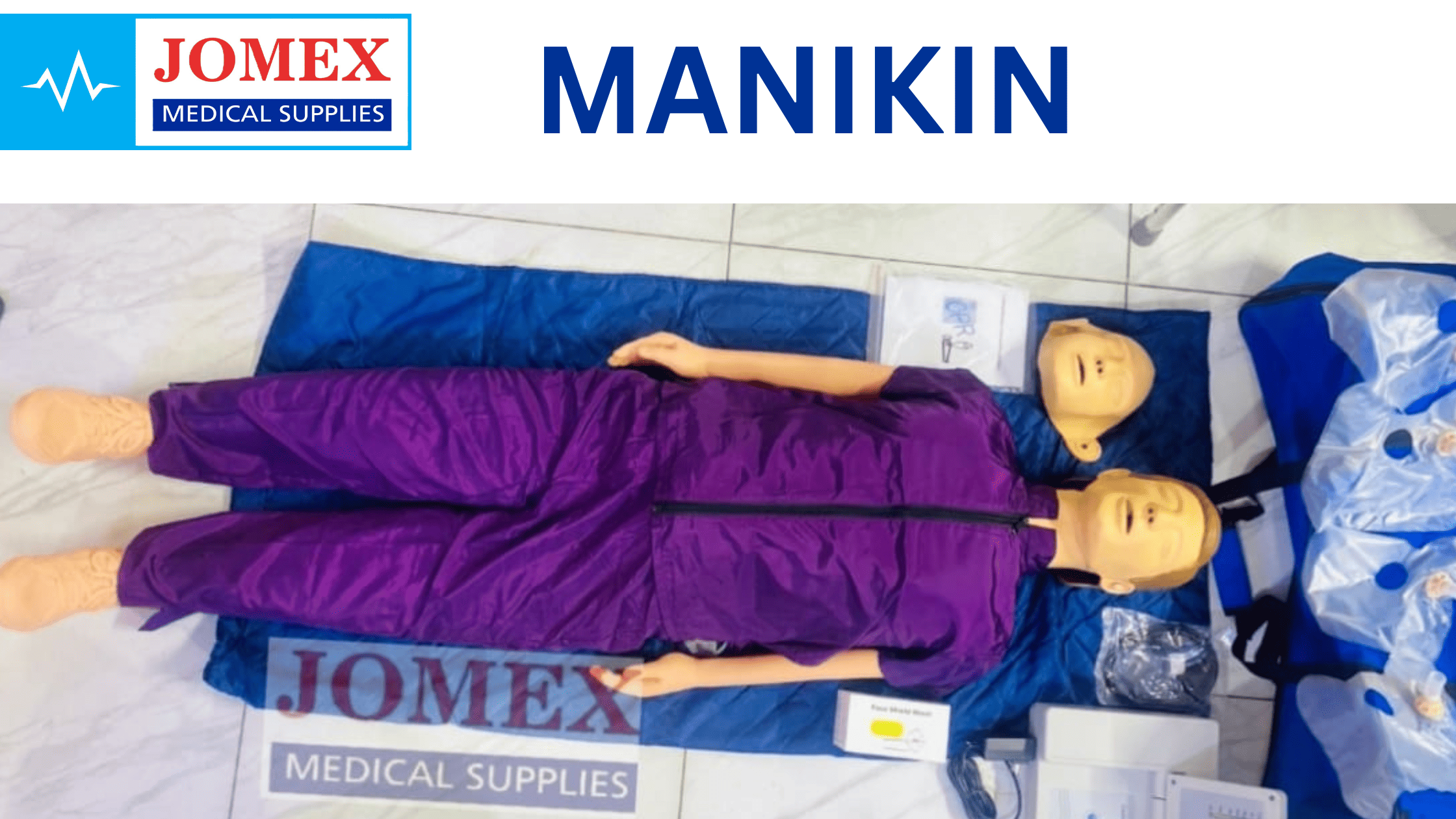
In emergencies, correct CPR technique can be the difference between life and death. Across Kenya, healthcare workers, students, and first responders rely on CPR training manikins to gain the practical experience necessary to respond effectively in real emergencies.
From hospitals and training colleges to fire departments and community outreach programs, CPR training manikins play a critical role in strengthening emergency response capacity nationwide.
What Is a CPR Training Manikin?
A CPR training manikin is a medical simulation model designed to help learners practice cardiopulmonary resuscitation (CPR) safely and accurately. These manikins replicate key human anatomical features and allow users to practice:
- Chest compressions
- Rescue breathing (mouth-to-mouth or mask ventilation)
- Correct hand positioning
- Proper compression depth and rhythm
Advanced CPR training manikins include digital displays, indicator lights, and voice prompts that provide immediate feedback, helping learners correct errors in real time.
Why CPR Training Manikins Are Important in Kenya
-
High Incidence of Medical Emergencies
In Kenya, CPR skills are frequently required in situations such as:
- Road traffic accidents
- Sudden cardiac arrest
- Drowning incidents
- Pediatric respiratory emergencies
- Workplace and school medical emergencies
CPR training manikins allow responders to practice these scenarios repeatedly before encountering them in real life.
-
Safe, Controlled Learning Environment
CPR manikins allow trainees to:
- Practice without risking patient harm
- Learn correct techniques through repetition
- Build confidence before handling real emergencies
This is especially important for students, community health workers, and first responders who may face emergencies early in their careers.

Importance of Child CPR Training Manikins
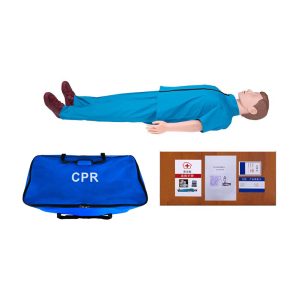
Children require different CPR techniques compared to adults. Child CPR training manikins are specifically designed to teach:
- Correct chest compression depth (approximately 4 cm)
- Proper hand positioning for smaller chests
- Safe tidal volume for rescue breaths (30–50 ml)
- Correct CPR ratios (30:2 for single rescuer, 15:2 for two rescuers)
…
In Kenyan schools, swimming pools, and childcare centres, emergencies involving children can occur suddenly. A caregiver trained only on adult CPR techniques may apply excessive force or incorrect breathing volumes.
Child-specific CPR manikins ensure trainees learn age-appropriate techniques, improving outcomes during pediatric emergencies.
Key Features of Modern CPR Training Manikins
When selecting a CPR training manikin in Kenya, institutions often look for the following features:
Real-Time Feedback
- Indicator lights showing correct or incorrect compressions
- Audible voice prompts explaining errors
This allows learners to adjust immediately and improve technique.
Digital Counting and Cycle Tracking
- Tracks compression numbers
- Guides correct CPR cycles (e.g. 30 compressions, 2 breaths)
- Reinforces international CPR standards
Realistic Airway and Chest Response
- Natural chest recoil
- Controlled airway resistance
- Helps prevent over-ventilation
These features closely simulate real patient responses.
Durable Construction
Training institutions in Kenya often conduct multiple sessions daily. CPR manikins must withstand frequent use while maintaining accurate feedback and anatomical integrity.

Who Uses CPR Training Manikins in Kenya?
CPR training manikins are widely used by:
- Public and private hospitals
- Nursing and medical training colleges
- Fire and rescue services
- Driving schools offering first aid certification
- NGOs and community health programs
- Schools and universities
They support both formal medical education and community-level emergency preparedness.
CPR Training Manikins and Skill Retention
Hands-on practice significantly improves skill retention. Trainees who practice on feedback-enabled manikins:
- Perform compressions with better accuracy
- Maintain correct rhythm under pressure
- Respond faster during real emergencies
Real-Life Impact
Emergency responders trained using CPR manikins are more likely to:
- Initiate CPR promptly
- Follow correct compression-to-breathing ratios
- Reduce complications caused by incorrect technique
CPR Training in Community and Outreach Programs
In Kenya, CPR training often takes place outside hospitals, including:
- Community health outreach programs
- Workplace safety training
- School first aid workshops
- NGO-led emergency response initiatives
Portable CPR training manikins allow instructors to train participants in rural and urban settings alike, improving nationwide emergency readiness.
Choosing the Right CPR Training Manikin in Kenya
Before purchasing, institutions should consider:
- Target users (adult, child, infant)
- Training level (basic life support vs professional training)
- Feedback and monitoring features
- Ease of cleaning and maintenance
- Availability of local technical support
Check our Product
Final Thoughts
CPR training manikins are essential tools for preparing healthcare workers and community responders to act decisively in emergencies. When used correctly, they help translate theory into practical, life-saving skills.
By investing in proper CPR training equipment and structured training programs, institutions across Kenya can improve emergency outcomes and strengthen overall public health preparedness.
Supporting CPR Training and Emergency Preparedness in Kenya
Access to reliable training equipment plays an important role in strengthening emergency response skills across healthcare and community settings. Institutions involved in medical education, first aid training, and emergency preparedness benefit from working with suppliers who understand local training needs and regulatory expectations.
Jomex Medical Supplies supports hospitals, training colleges, NGOs, and community programs in Kenya by providing access to CPR training manikins and other essential medical training equipment sourced from reputable manufacturers. Our focus is on practical, training-ready solutions that align with international CPR guidelines while remaining suitable for local use.
For organisations looking to enhance CPR training programs, standardise teaching equipment, or maintain readiness for emergency response training, working with a locally based medical supplies partner can help ensure continuity, timely availability, and appropriate product selection.
Jomex Medical Supplies remains committed to supporting healthcare education and emergency preparedness across Kenya through dependable access to essential medical equipment.